Colour Contrast and Visual Prominence
Food colour and contrast with serving vessels significantly influence portion estimation. High-contrast combinations—such as light-coloured rice on a dark plate or dark vegetables on a light plate—create visual prominence that affects perception of abundance. Low-contrast presentations may create impressions of lesser quantity despite identical amounts.
Research demonstrates that warmer food colours (reds, oranges, yellows) create different visual impressions compared to cooler colours (greens, blues). Brightly coloured foods tend to appear in greater quantity than muted tones when served in identical amounts. These colour effects operate through fundamental mechanisms of human visual perception affecting how viewers estimate size, density, and completeness of presented servings.
Plate colour similarly influences perception. White and light-coloured plates create different visual contexts than dark plates. Traditional darker plates in restaurant settings reflect deliberate applications of colour psychology to enhance visual appeal and create impressions of generous portions. These effects operate automatically in human visual processing without conscious awareness.
Transparency and Volume Estimation
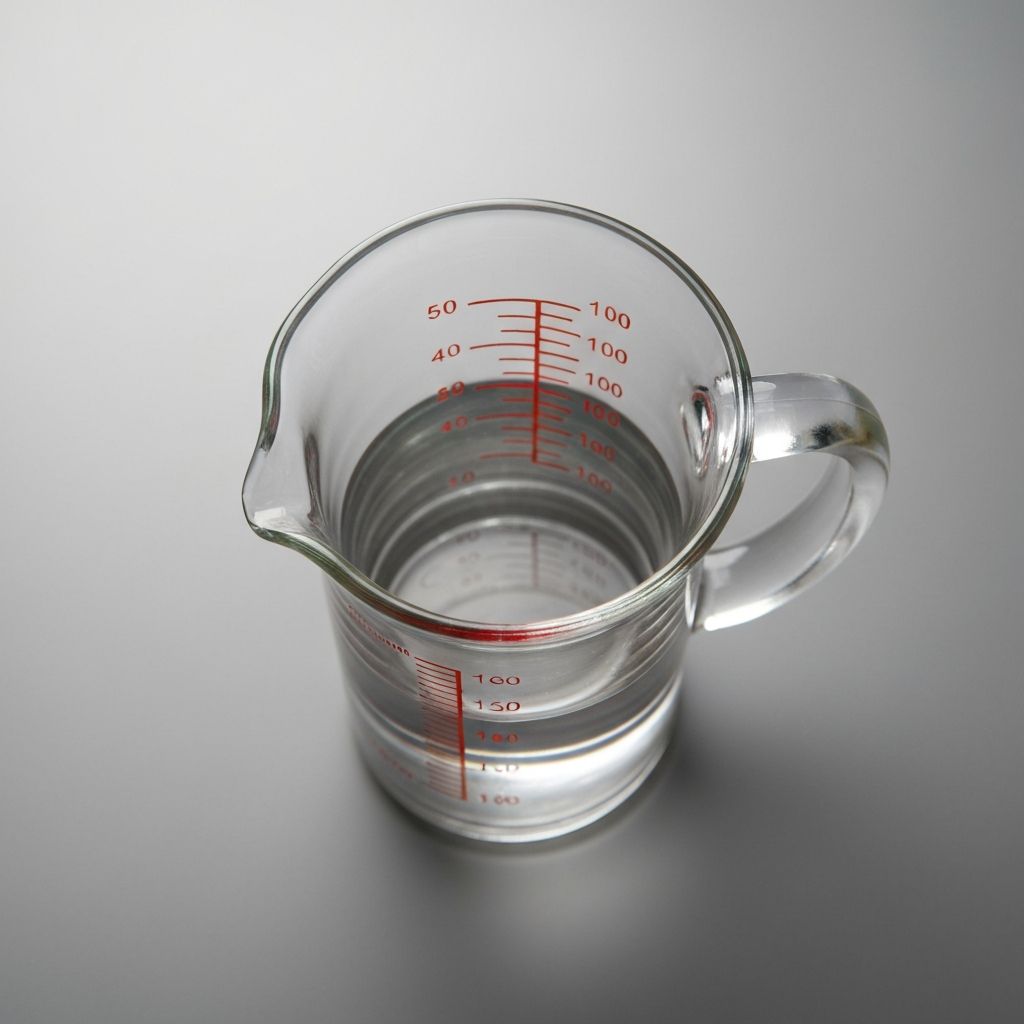
The ability to visually access actual food amount significantly affects portion estimation accuracy. Transparent containers and clear serving vessels allow direct observation of quantity, while opaque containers require inference from external shape cues. This difference affects accuracy of volume estimation across various foods and preparation forms.
Liquid or semi-liquid foods in transparent containers demonstrate particularly clear effects of transparency on perception. Identical volumes appear different based on container width and height. A given volume of liquid appears greater in a narrow tall glass compared to a wide shallow bowl, despite containing identical amounts. This demonstration of size constancy failure in everyday objects shows how context influences perception.
Packaging practices reflect awareness of these transparency effects. Clear packaging allows consumers to visualise contents, affecting both purchase decisions and consumption behaviour. Packaging opacity influences expectations, with transparent windows strategically placed to showcase product appearance.
Texture and Perceived Density
Food texture significantly influences visual density perception. Fluffy foods like rice, pasta, or bread appear to occupy more space than dense foods like nuts or chocolate containing identical calories or mass. Visual texture properties—such as smooth, granular, chunky, or layered appearance—affect how full a serving appears.
Bulk and fluffiness create impressions of greater quantity. Mashed foods, whipped items, and aerated preparations visually expand compared to their weight or energy content. Conversely, dense compact foods create impressions of lesser visual volume despite similar nutritional properties. These visual effects operate independently of actual consumption and absorption.
Individual foods demonstrate extreme variation in visual bulk relative to mass. A kilogram of cooked pasta appears vastly different in volume compared to a kilogram of chocolate, despite identical weight. Understanding these density relationships provides context for how visual volume and actual substance diverge significantly in common foods.
Perception and Satiety Signals
Visual completeness of a plate influences reported satisfaction during eating. When plates appear well-covered with food, satiety satisfaction tends to increase compared to identical amounts appearing sparse. This effect demonstrates the role of visual information in contributing to overall eating experience and perceived adequacy of servings.
Research on visual cues and fullness shows that sight represents one sensory input among many contributing to eating experience. Flavour, texture during mastication, temperature, aroma, and post-ingestive signals all contribute to overall fullness sensation. Visual cues establish expectations and early satiety signals, but these effects vary considerably across individuals and meals.
Individual differences in visual perceptual abilities, attention to visual properties, and susceptibility to visual illusions mean that identical visual presentations create varied effects across different people. Some individuals show strong sensitivity to visual portion cues, while others demonstrate more independent estimation relative to visual properties. These individual differences remain constant characteristics affecting response to visual portion information.
Context and Application Without Prescription
Understanding how visual properties influence portion perception provides factual information about sensory processing without prescriptive application. Visual effects on perception operate automatically regardless of awareness, affecting all observers uniformly at fundamental neurobiological levels. Recognition of these effects informs understanding of why identical portions create different impressions based on presentation.
This knowledge remains purely informational. Food presentation choices, colour selections, and serving methods reflect personal preferences, cultural traditions, and practical considerations rather than perceptual optimization. No universal principle suggests that any particular visual presentation represents an optimal choice for any individual. Visual effects and personal choices exist as independent phenomena.
Individual responses to visual information vary considerably based on prior learning, attention patterns, and personal preferences. Awareness of visual influences does not imply uniform responses across individuals or determine any specific eating behaviour. Choices regarding food presentation remain entirely personal decisions reflecting individual values and circumstances.
Continue Exploring Portion Concepts
Return to articles to explore additional aspects of portion perception, visual illusions, and eating patterns.
Back to Articles